Creative
Ads we have made for our clients.
A selection of recent video and static ads, with the thinking behind each one. Where we have run customer interviews, the ads start from what customers actually said.
The work
Recent creative.
Video
-
Scouty
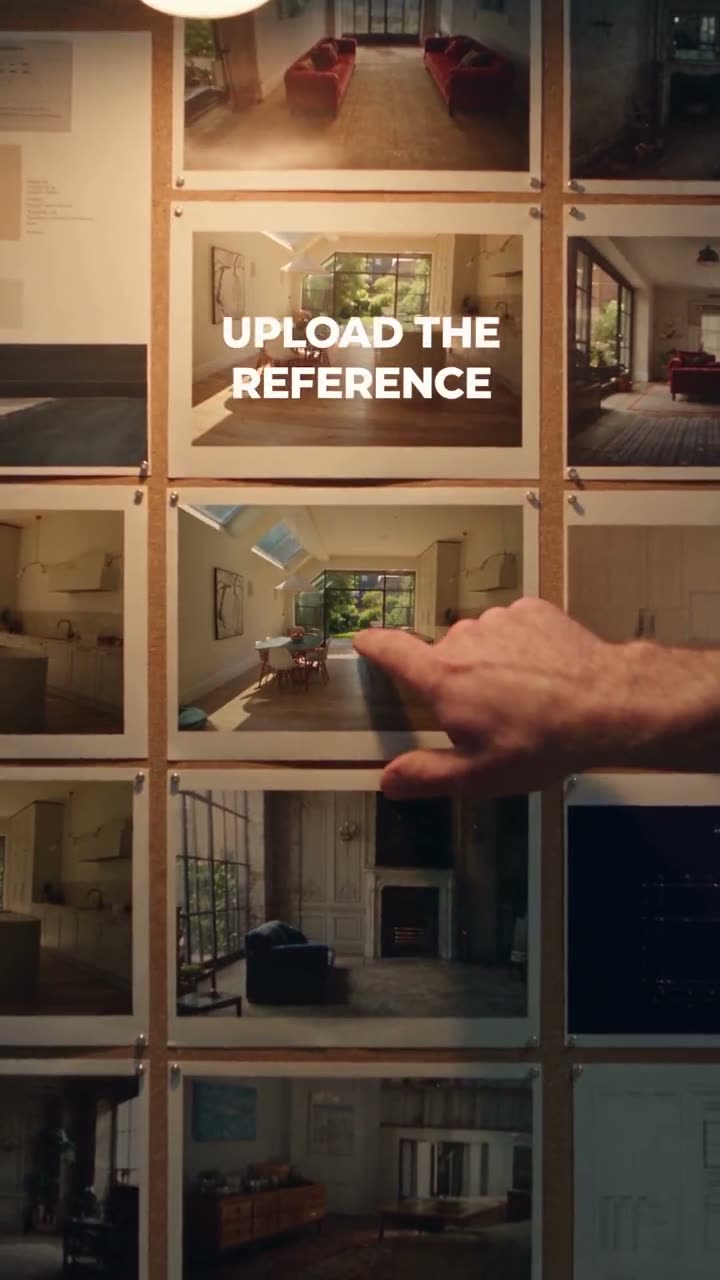
Upload the reference, find the real location
Job to be done Turn the reference image already in my deck into a real place I can book.
Creatives arrive at a location search holding a reference image, not a list of filters. The ad opens on that exact moment and then shows the job being done in the order it actually happens: upload the reference, get the real place. The proof points only arrive at the end, once the workflow has already been demonstrated rather than described.
- 9:16 vertical
- 10s
-
Appear Here
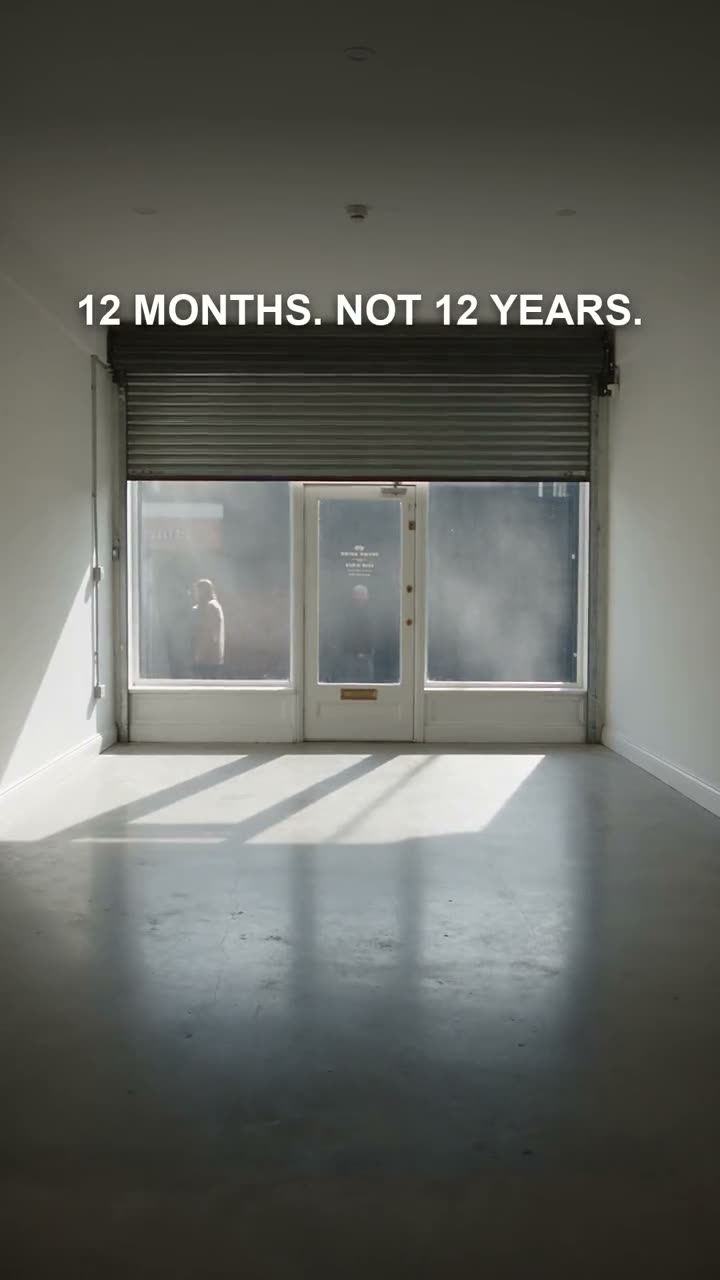
12 months. Not 12 years.
Job to be done Get a shop open in weeks without signing away the next decade.
Commercial property is sold in multi-year commitments, and that is the single thing stopping most brands taking a space. Appear Here's own site sells the opposite: book by the day, week, month or year. The hook states that contrast in five words, over an empty unit, before the viewer has read anything else.
- 9:16 vertical
- 7s
-
Appear Here
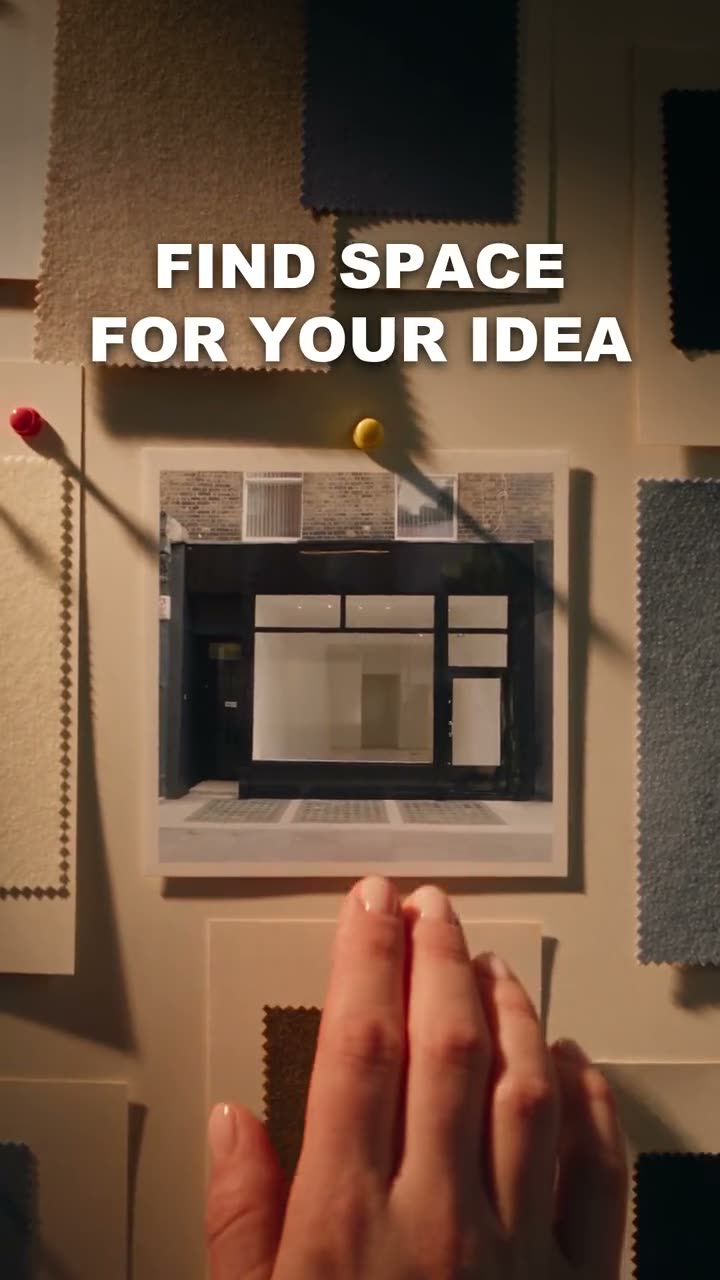
Find space for your idea
Job to be done Find a specific, real unit I could actually open in, not a search portal.
The line is Appear Here's own positioning, kept word for word rather than rewritten. The ad earns it by showing the moment the decision actually happens, a hand pinning one shopfront to a board, rather than showing the marketplace itself.
- 9:16 vertical
- 15s
Static
-
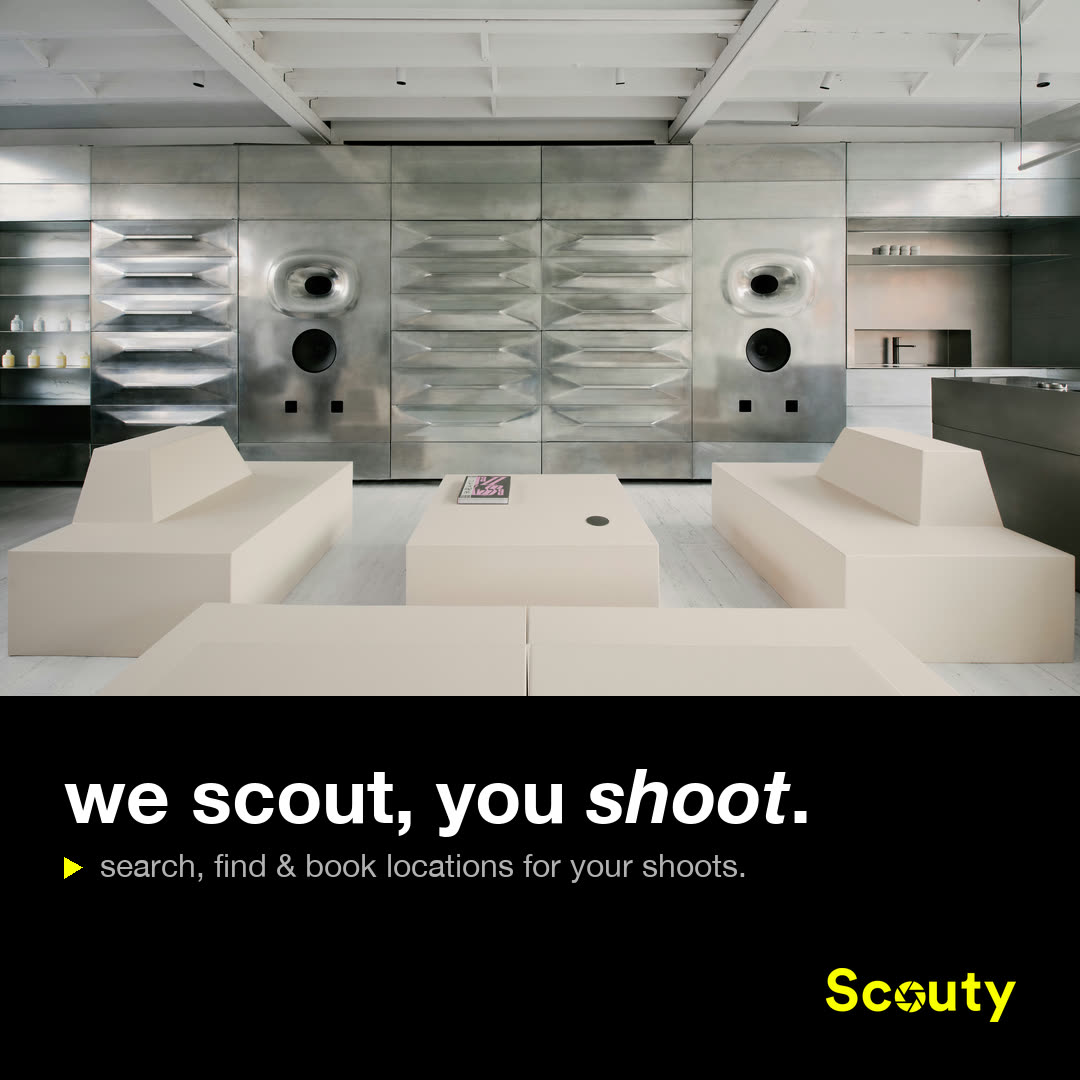
Scouty
We scout, you shoot
Job to be done Work out what this company actually does, in about a second.
Scouty's own tagline carries the ad, so the ad does not argue. One hero space, the line, and the plain-words promise underneath. No proof points and no numbers, because this one exists to establish what Scouty is before anything asks for a click.
- 1:1 square
-
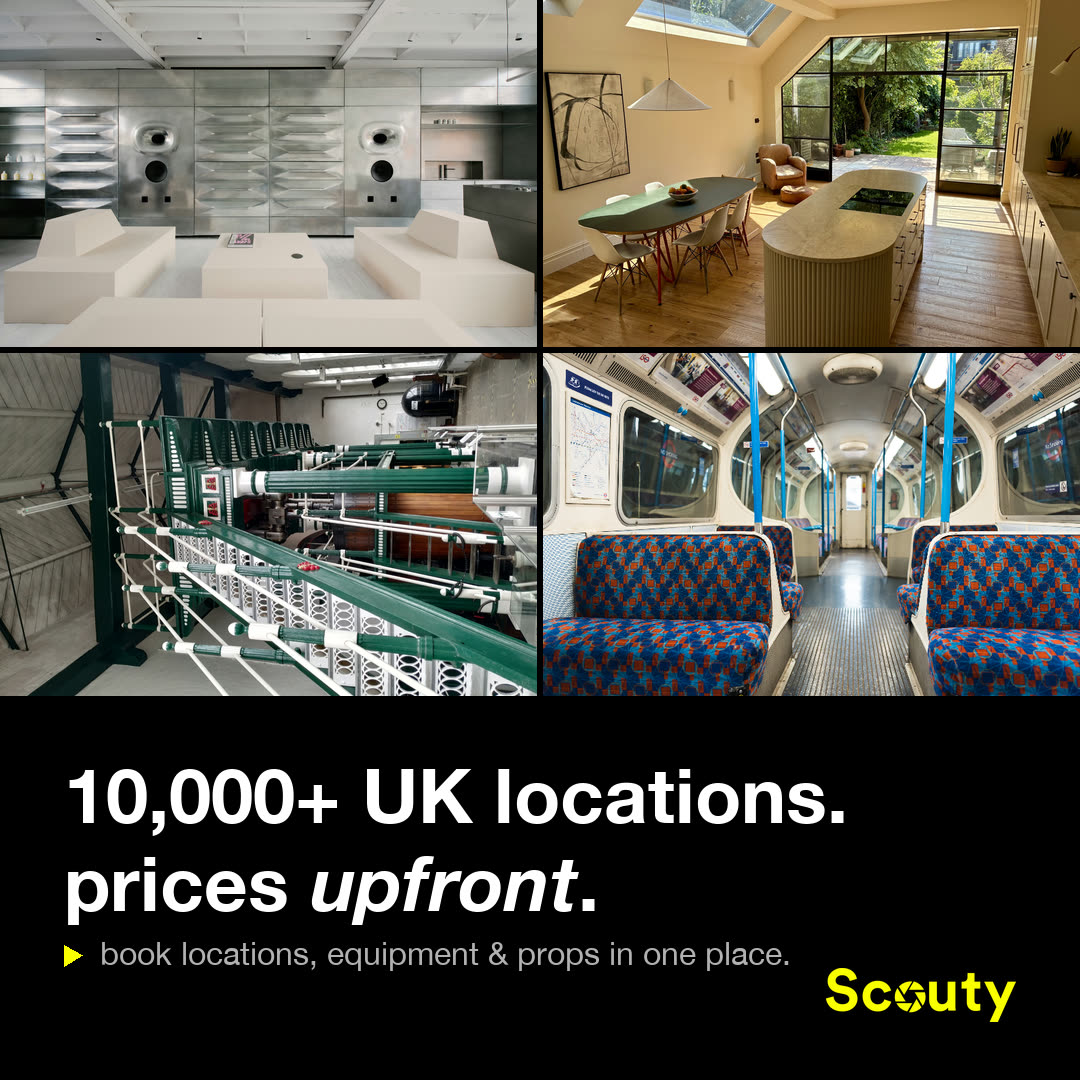
Scouty
10,000+ UK locations. Prices upfront.
Job to be done See the real price before I have to email anyone.
Two objections answered in one frame. The four-way grid shows range without needing a word for it, and the headline puts the number and the pricing promise side by side. The tiles are real Scouty inventory rather than stock, which is the difference between showing breadth and claiming it.
- 1:1 square
-
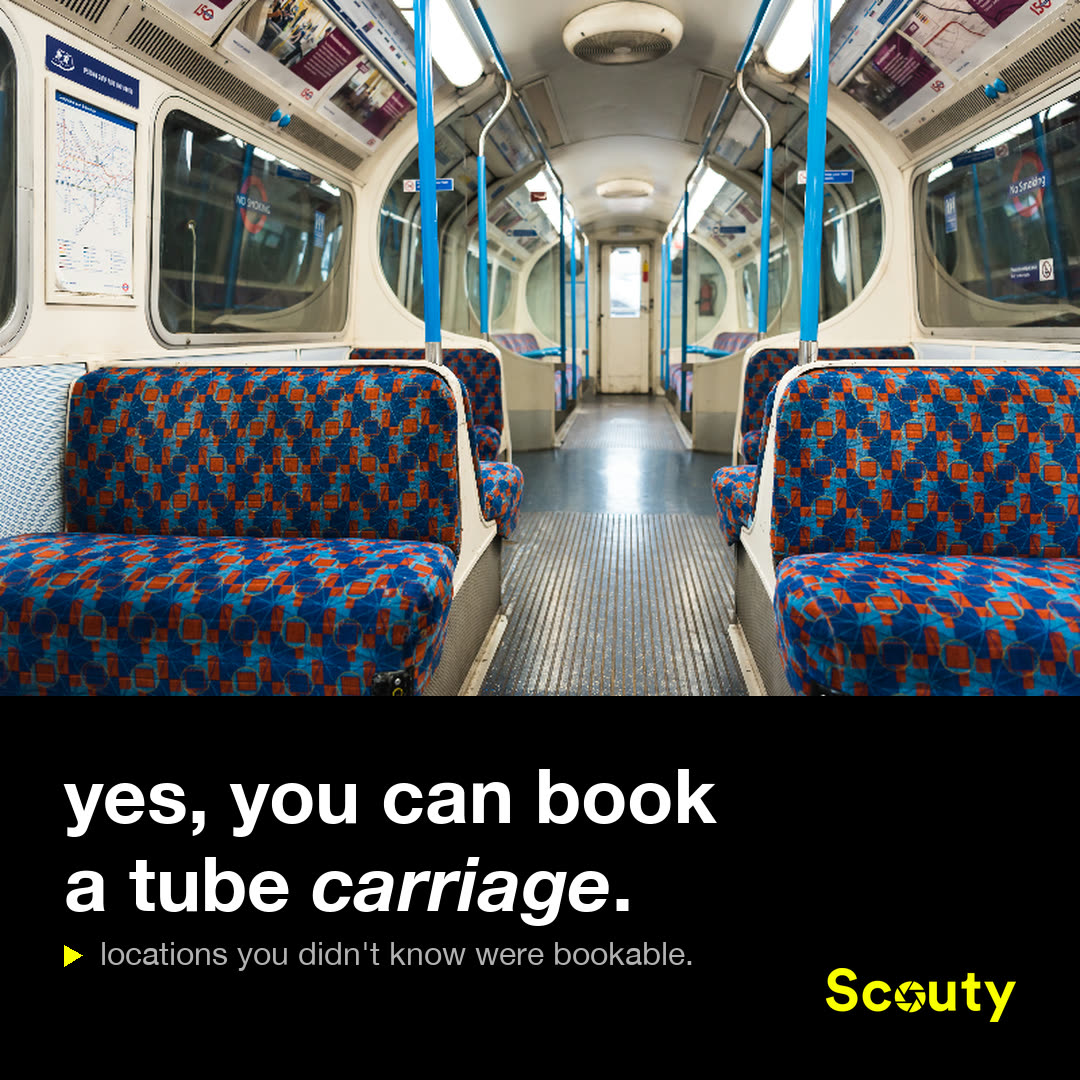
Scouty
Yes, you can book a tube carriage
Job to be done Find somewhere nobody else has already shot.
Built to stop the scroll on one piece of inventory nobody expects to be bookable. The headline answers the question the image provokes, in the order a viewer thinks it. Breadth claims get skimmed. One impossible-sounding specific gets remembered.
- 1:1 square
Video ads play with sound when you press play, and no video downloads until you do.
How we work
We start at the customer
Most agencies start at the creative. We start with the people who buy, then keep going round. Each pass through the loop makes the next batch of ads cheaper to produce and more likely to work.
-
Step 01. Customer interviews
We speak to your buyers, customers who have left, and people who nearly bought. We ask what customers actually did, not what they think they might do. Opinions are cheap, past behaviour is evidence.
-
Step 02. Why they really buy
We sort what we hear into the real reasons people buy from you, in their own words. We rank those reasons by how often they come up and how costly the problem is to live with, which tells us what to say before we decide how to say it.
-
Step 03. Content at scale
Each reason becomes an angle, and each angle becomes a batch of ads. Volume is the point. Nobody can reliably pick which framing of a real problem will land, so we stop guessing and start shipping enough variants to find out.
-
Step 04. Test and scale winners
Everything goes into a structured test with enough budget behind it to give a readable result. Losers get cut without ceremony. Winners get more budget and get rebuilt into fresh variants that pull on the same thread.
-
Step 05. Compound learnings
What won, and why it won, feeds back into the next round of interviews and the list of reasons people buy. The next cycle starts from evidence rather than a blank page, which is why month six looks nothing like month one.
Back to 01
The loop runs continuously for as long as we are engaged. Every round of interviews is sharper than the last, because we already know which reasons convert and which ones only sounded good in a workshop.
Nf3
Want this running on your account?
30 minutes with Alex or Ellie. We will walk you through the loop on a real account and tell you honestly whether it fits what you are trying to do.